
Hems Shouldn't Have Seams
By Maurice Malone Published March 3, 2025
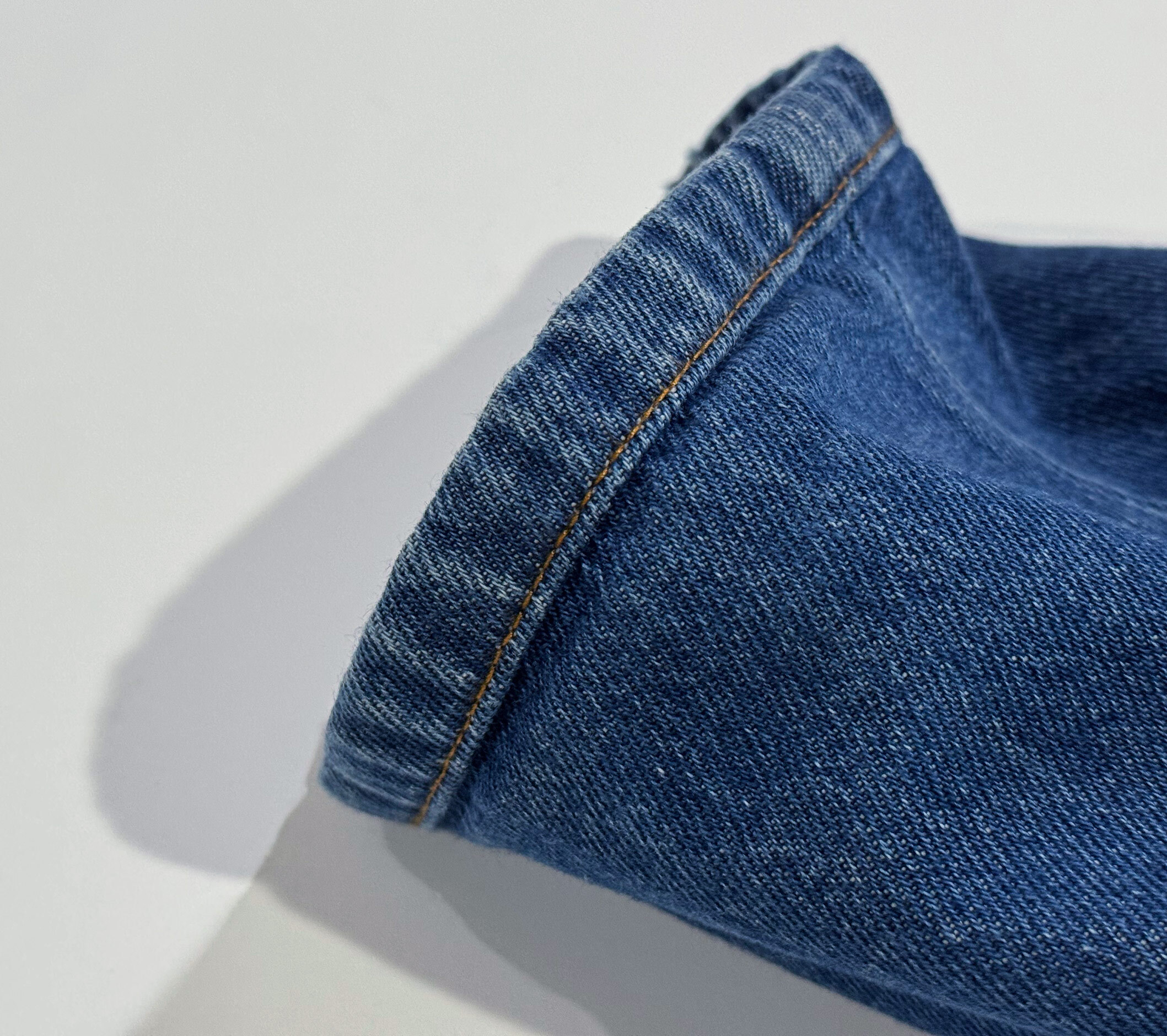
If you see a horizontal seam running above the hem of a pair of jeans, you are not looking at original construction. You are looking at the result of an alteration commonly marketed as an “Original Hem.” The name sounds authentic and even desirable, which is why so many people assume it is the correct way to shorten jeans. In reality, it is a workaround rather than a best practice.
An “Original Hem” alteration involves cutting off the aged hem and sewing it back onto the jeans higher up the leg. The process creates a new seam line just above the original stitch line. That seam was not part of the jean’s construction when it left the factory. It alters the appearance of the leg opening and changes the structure of the hem area in ways most customers do not anticipate.
We do not perform this alteration, not because it is difficult, but because it is unnecessary when jeans are hemmed correctly in the first place.
A Chain-Stitch Hem Will Fade Again
Why Some Tailors Recommend an “Original Hem”
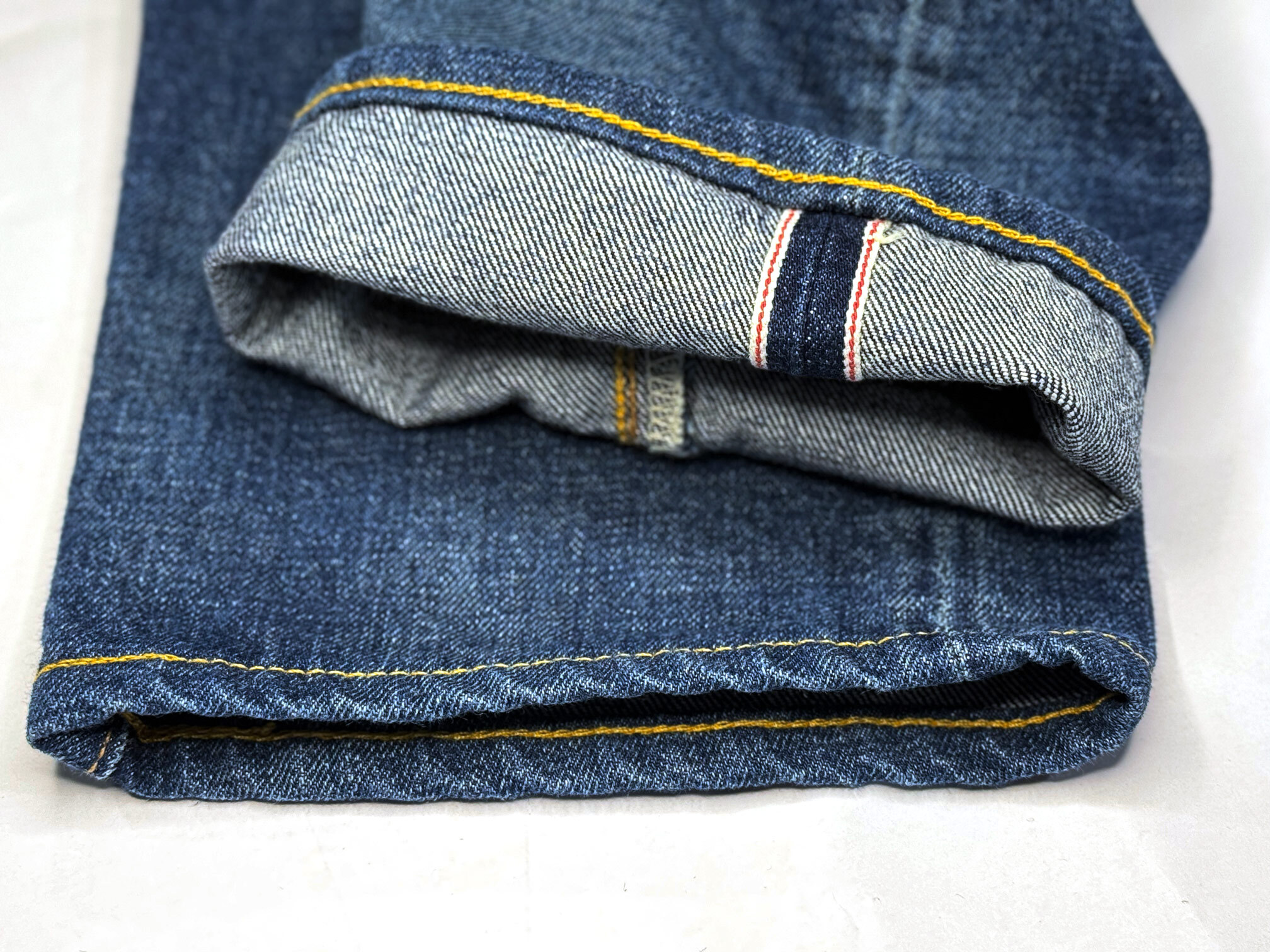
Most quality denim jeans are finished with a chain stitch at the hem. That stitch creates tension and subtle roping along the edge. As the jeans are worn and washed, the raised areas of that roping fade first, producing the high-contrast aging associated with heritage denim.
That fading does not disappear permanently when a hem is shortened. When the hem is resewn properly using a chain stitch, the same tension and offset alignment return. The roping develops again, and fading begins after the first wash. The visual effect people are trying to “save” is recreated naturally through proper construction.
Cutting off the original hem to preserve old fading assumes the fading cannot return. In practice, it does.
Why Some Tailors Recommend an “Original Hem”
The original hem alteration is often presented as a premium option, but there are practical reasons some tailors prefer it. Not every shop has a chain-stitch machine, which is necessary to duplicate the factory sewing used on most premium denim. Reattaching the original hem allows them to avoid sewing a new chain stitch altogether.
There is also the matter of thickness. A proper hem is created by double-folding the fabric before sewing. On denim, especially at the inseams and outseams, this can mean sewing through six to twelve layers of heavy material. Many standard industrial lockstitch machines and home sewing machines struggle with that thickness. Removing the original hem and reattaching it through fewer layers reduces the strain on the equipment.
Neither of these factors improves the jeans. They simply make the alteration easier to execute with limited tools.
The Structural and Visual Downsides
There are two common methods of performing an original hem alteration. One produces a cleaner interior appearance but creates a stiff ridge around the leg opening. Customers who have asked us to undo these alterations often describe it as feeling like a ring around the ankle. The added bulk changes how the hem sits and how it moves.
The second method reduces stiffness but leaves a visible interior seam that was not part of the original construction. When the cuff turns up, that seam becomes exposed. In both cases, the alteration introduces a horizontal seam line across the leg opening that did not exist before.
Jeans are not designed to have a seam running around the circumference of the leg just above the hem. When that seam is present, it signals that the original construction has been interrupted rather than replicated.
Replicating the Factory Construction
Jeans are designed to be hemmed by double-folding the fabric and sewing it with a chain stitch. That method is durable, flexible, and built to age naturally. When shortened correctly using the appropriate machine and proper thread weight, the new hem mirrors the way the jeans were originally sewn.
The roping returns because it is created by stitch tension and fabric behavior, not by preserving an old edge. The fading returns because it follows the structure of the stitch. The leg opening remains clean, without added seam lines or stiffness.
If you’re looking for proper chain-stitch hemming for jeans, see our professional hemming service here.
The goal of hemming should not be to preserve the old hem at all costs. It should be to recreate the original construction so that the jeans continue to look and wear as intended.
When jeans are hemmed properly, there is no need to save the original hem. There is no need to introduce a seam that does not belong. Hems should be clean, double-folded, and sewn the way they were from the start.